Feature
Nov 26, 2025 07:36 PM
By Tamandani Hau
No more under water deals: women challenging lake Malawi exploitation
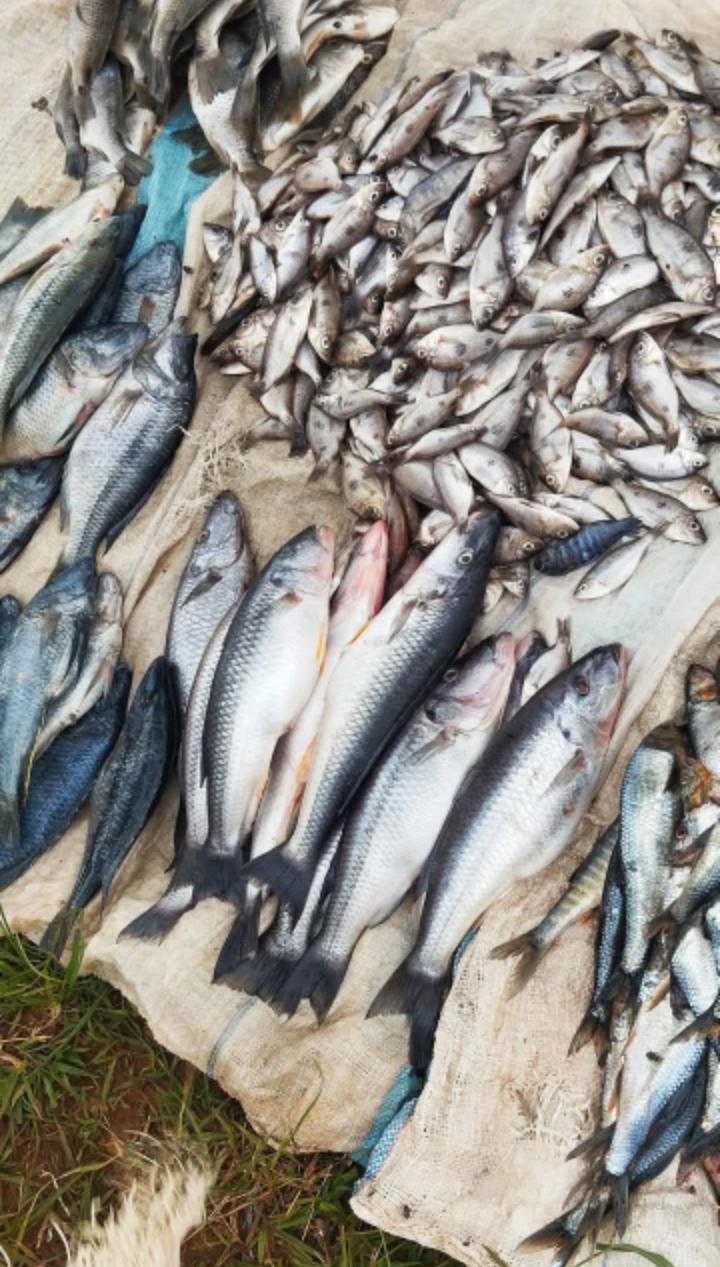
The Sun had just begun to rise above Vinthenga Beach in Nkhotakota but the shoreline was already alive with the sharp smell of fresh fish and the hum of women calling out prices as the morning catch arrived.
Among them stood Mariam, a widow and mother of three who agreed only for a written consent. She owns two fishing boats, the assets that have transformed her life and challenged a system that has exploited women for decades.
According to Mariam, She hires the boats depending on the catch of the day with a minmum hiring fee of K30, 000 per day.
Before joining Vinthenga women’s initiative, Mariam carried years of silent trauma and experiences she said still clings to her. She remembers braving icy lakeshore nights after her husband’s death in 2018, standing in queues where the unwritten rules of the trade required sex more than just cash.
“Those nights were the hardest. Sometimes it felt like what they really wanted was sex more than the cash I had work hard for to bring. I did not want it but I also had children to feed and then men knew I had no choice,” she said.
Mariam evoked that male boat owners often demanded sex, a situation that made her feel unsafe but had no choice.
In 2020, she said the pressure had grown unbearable and she was coerced twice into unprotected sex for fish with different men, each incident carving a wound she struggled to name.
She recalled that the most painful incident happened in 2021, when she was forced to have sex with a man who knew her deceased husband but unfortunately she had nowhere to report the issue since it was regarded as a ‘norm’ at the lake.
“It’s a permanent memory. I walked home with an empty basin despite having K58, 000 required for one to purchase fish of that quantity after I denied sex to the friend of the first man. After joining the cooperative, I realised my falling in and it still pains me,” she recalled.
A landmark qualitative study published between 2009 to 2011 through the London School of Hygiene and Tropical medicine (LSHTM) established that in Malawi, transactional sex in fishing communities ranged from informal gift exchange to direct coercion.
The research also highlighted that women often negotiate from a weaker position because men control access to fish.
In addition to that, a 2023 Aljazeera investigative report done by Rabson Kondowe at Luwuchi fishing camp in Rumphi district linked that persistence of sex for fish was mostly orchestrated by boat owners who have control over fish while highlighting that unequal power dynamics made it difficult for women to deny.https://www.aljazeera.com/features/2023/4/14/in-malawi-female-fish-traders-mobilize-against-transactional-sex
The report revealed that fishermen demanded sex in exchange of ‘usipa’, a continuous malpractice that shows the extent of the problem.
Mariam is one of 60 women in Nkhotakota who each contribute K5, 000 per week into a savings pool through a cooperative supported by the Responsive Fisheries and Livelihoods (REFRESSH) project. Their collective savings have enabled members to purchase boats, improve fish –processing skills and introduce strict rules that directly challenge the once-normal ‘sex for fish’ system.
She now earns one million kwacha per month (USD 575), and owns two –licensed fishing boats by the Nkhotakota department of fisheries and marine.
In July 2024, the Malawi Human Rights Commission (MHRC) released a report which documented widespread coercion into transactional sex to access fish from male boat owners, a situation which exposed violation of women’s rights.
According to the report, lack of targeted policies and enforcement mechanisms within the fishing communities had created an environment where women were vulnerable to sexual exploitation and left without recourse when faced with unwanted pregnancies or abuse.
A 2025 research brief by the London School of Hygiene and Tropical Medicine documented similar patterns across Malawi’s transactional sex as an economic survival strategy.
A separate analysis supported by the International Union for Conservation of Nature warned that HIV prevalence in fishing communities across East and Southern Africa ranges from four to 14 times higher than the national averages, with mobility and gender- imbalanced trade systems driving the risk.
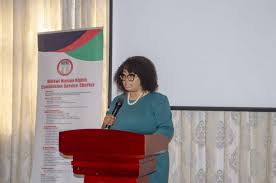
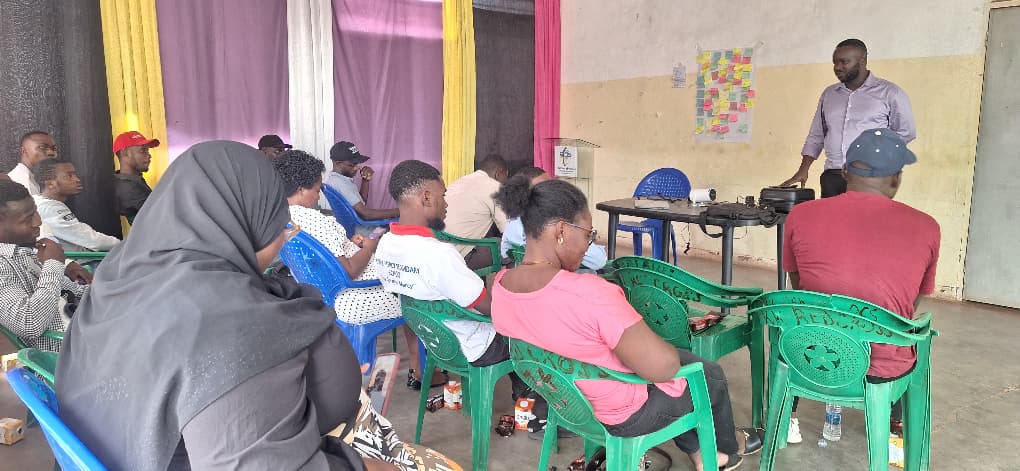
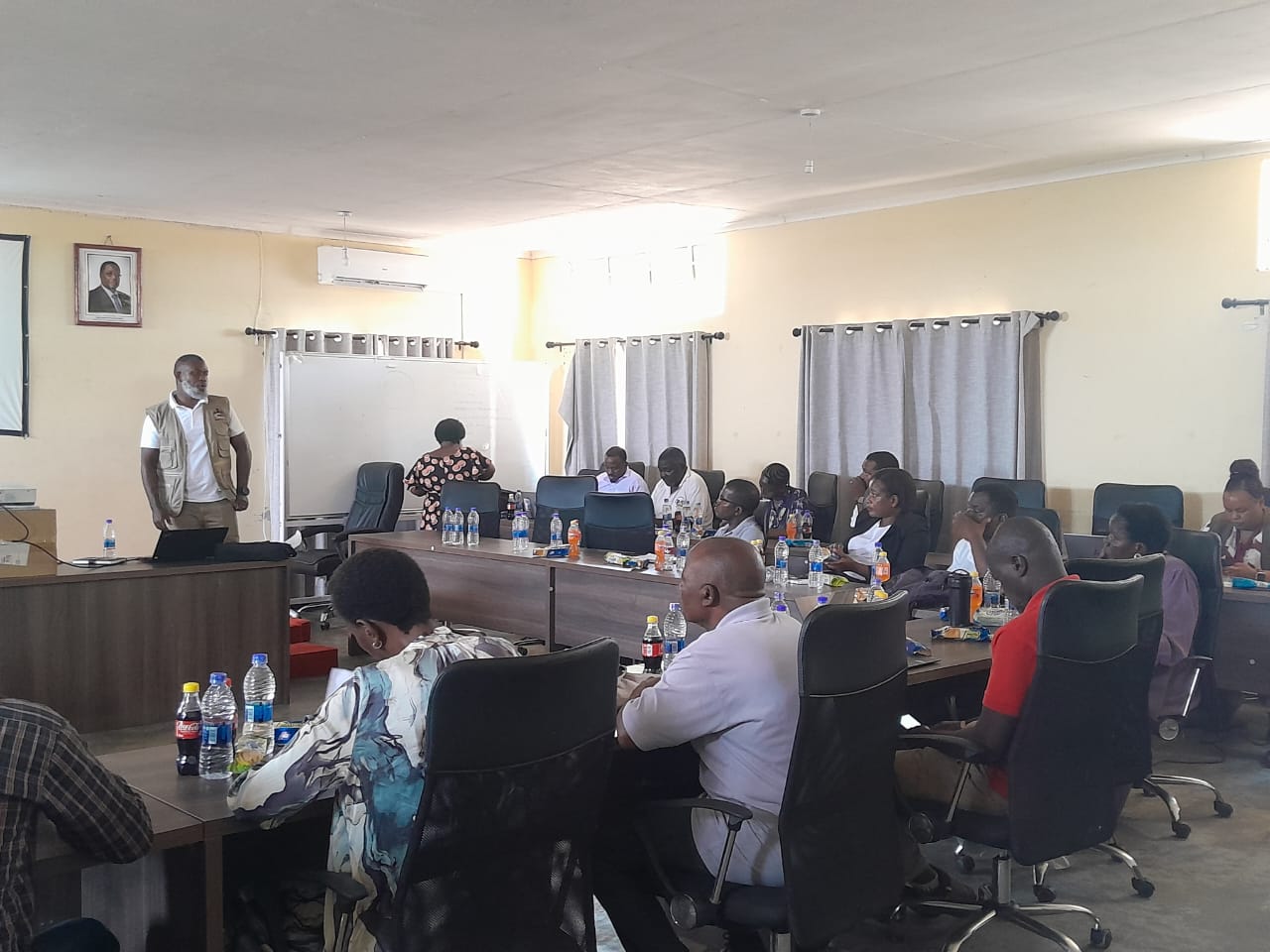
Deputy Executive Secretary for MHRC, Winston Mwafulirwa said the commission engaged in capacity building for Beach village committees on the Human Rights and Gender Equality Acts to help deter human rights violations in the district.
Program Manager for Equity Champions, Felisters Rano said through the organization’s training's, women are now experts in entrepreneurship, price negotiation and marketing skills.
This shift is also evident at Bondo fishing dock, where another woman, Lonely Kanjere reflected on her past. Lonely, in her early thirties, revealed that she once relied entirely on sex for fish transactions just to survive.
“I have a four year old boy but I cannot even recognise his father. He came from Nkhatabay as a fisherman at Bondo fishing dock but left before I even realised it. The situation forced me to join cooperatives run by my fellow women”, recalled Lonely.
A local male fisher from Nkhotakota, speaking on condition of anonymity admitted that the shifts unsettles some middle fishermen because most of them make business through working as agents between boat owners and women who seek to buy fish.
On the role of traditional leaders to end the vice, Senior Chief Mphonde whose jurisdiction spans seven fishing beaches said he has helped to institutionalize strong by-laws in Beach Village Committees as anyone caught in such malpractice risks being banned from landing sites.
“Our by-laws are clear. The women brought this demand for credibility and I support it. Everyone must follow proper trade standards and before operating in any of our fishing docks, fishermen are already enlightened and warned on the vice,” he said.
The organization’s interventions and by-laws engagement are proving that across Nkhotakota’s fishing beaches from Vinthenga to Bondo, women are moving with a shared purpose.
Tags:
#user feedback
Share on: