Kasungu
Wildlife Conservation for Community Development Association (KAWICCODA) has
expressed concern over the poor road network leading to Kasungu National Park,
saying the situation is hindering tourism development efforts.
KAWICCODA
is a community-led organization that works with local communities to conserve
Kasungu National Park (KNP) and surrounding natural resources by ensuring that
people actively participate in conservation efforts while also benefiting from
the available resources and services.
Speaking
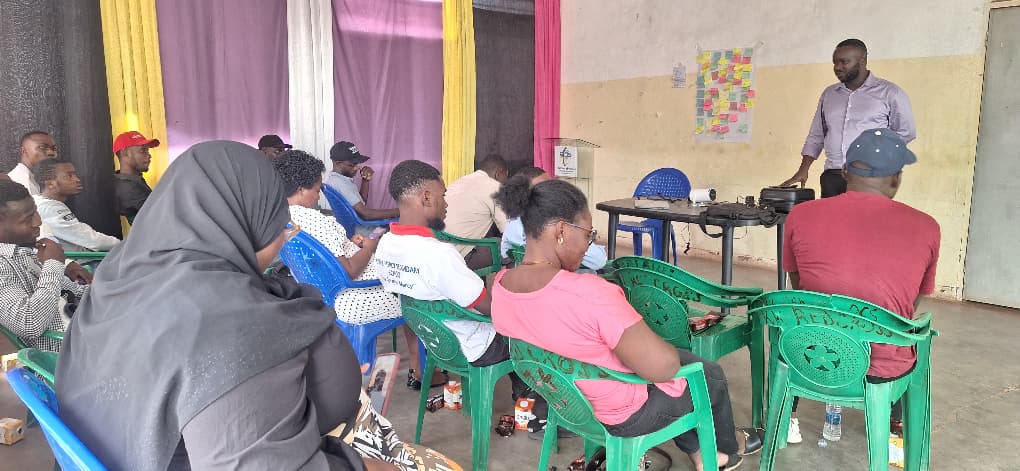
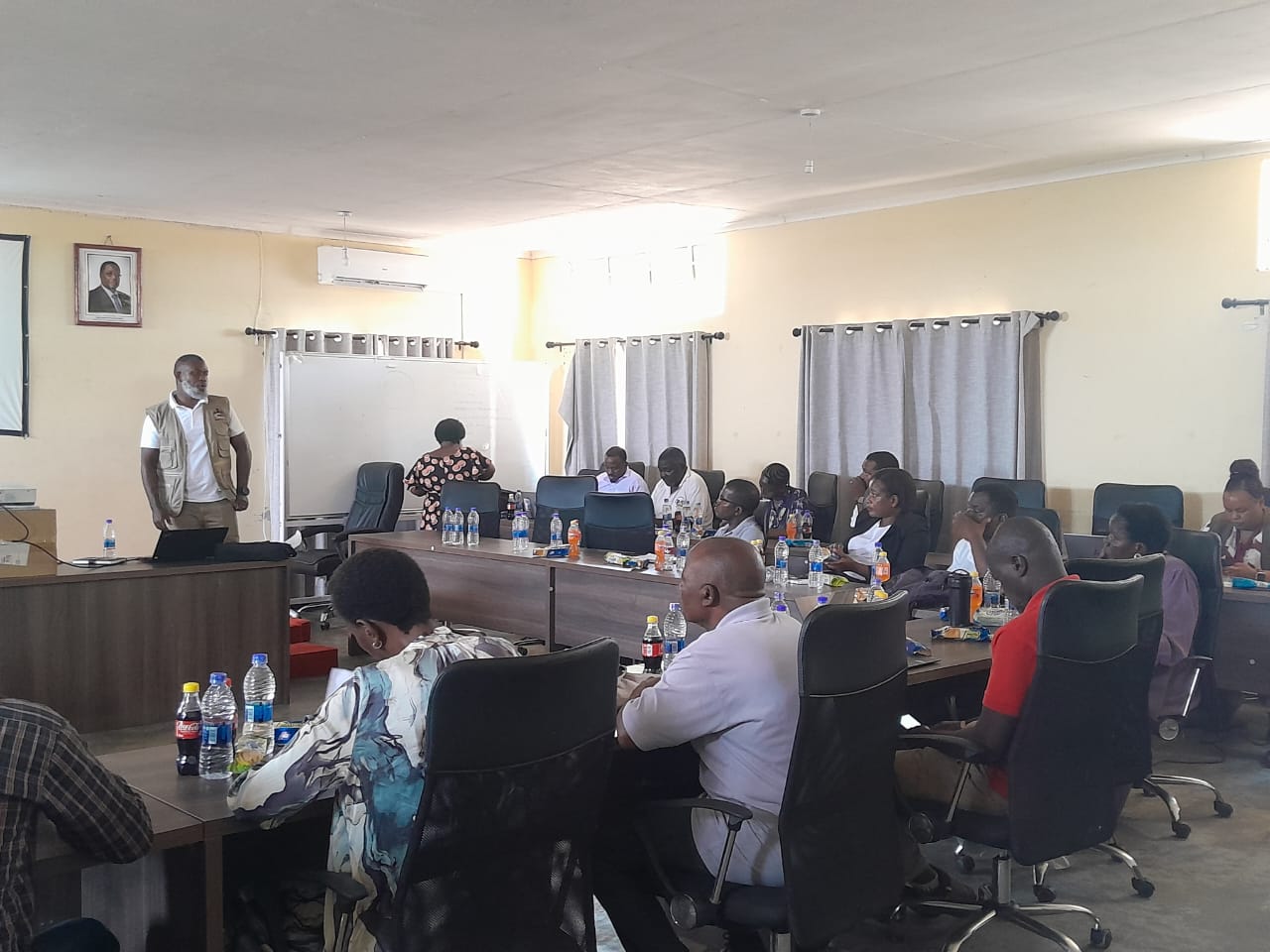
on Wednesday in Kasungu during a two-day stakeholders' engagement meeting aimed
at reviewing the organisation’s work and achievements from 2019 to 2025,
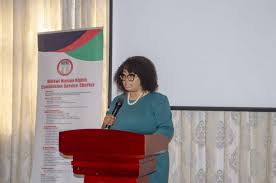
KAWICCODA Board Chairperson Dr. Malidadi Langa said the poor road
infrastructure between Kasungu Town and the national park remains a major
challenge, discouraging domestic tourists from visiting the park, a development
he said negatively affects revenue generation.
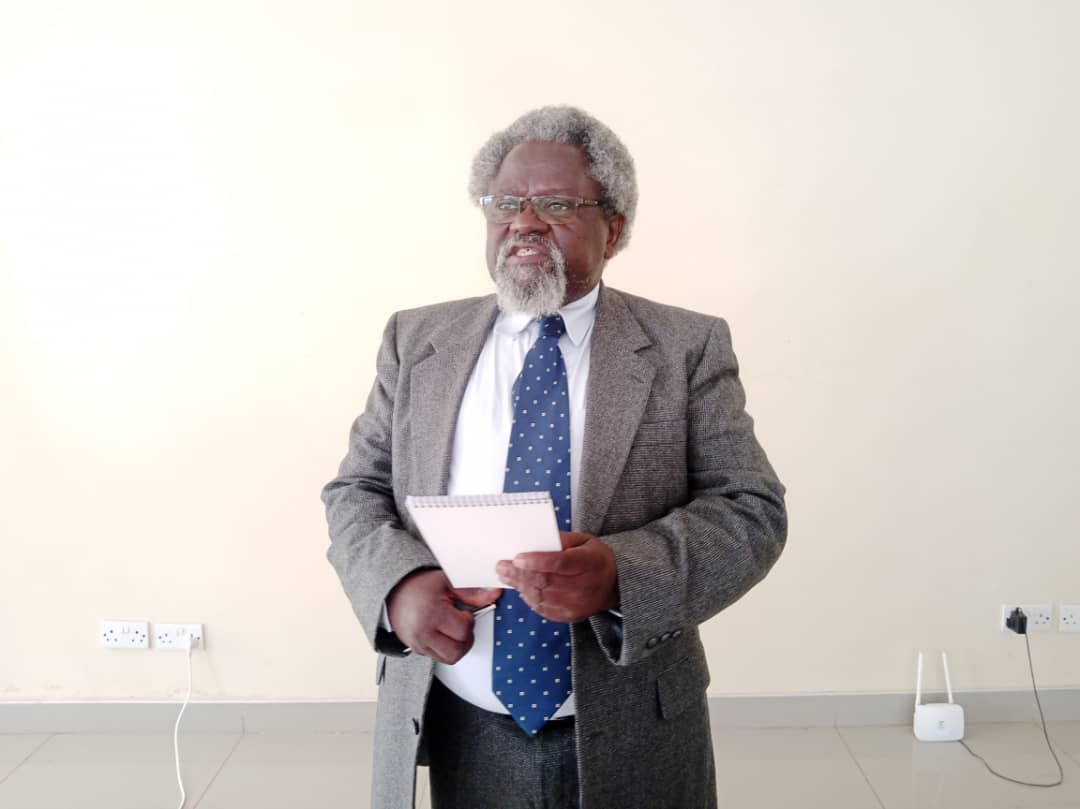
"The
park is failing to generate substantial revenue due to the poor road network
and inadequate attractive wildlife. It is our plea that the government should
consider rehabilitating the road to make it more accessible for domestic
tourists," he said.
During
the meeting, Dr. Langa also revealed that the park has revised the
revenue-sharing percentage upwards from 25 percent to 30 percent, which is
shared with surrounding communities through various interventions implemented
by KAWICCODA.
"Low
revenue means a smaller share for communities. That is why we are lobbying for
road rehabilitation while also intensifying efforts to curb poaching in order
to help the park regain its lost glory," said Dr. Langa.
In
his remarks, Deputy Director for the Department of National Parks and Wildlife,
William Mgoola, said the country is making positive strides in environmental
conservation with support from local organizations such as KAWICCODA.
Mgoola
further said the government is aware of the challenges affecting efforts in the
tourism sector and disclosed that plans are underway to rehabilitate roads in
national parks across the country.
He
added that the government also intends to construct additional accommodation
facilities within parks, including Kasungu National Park, to improve access and
enhance the visitor experience.
"As
government, we acknowledge the challenge at hand. For instance, we have already
completed the design for an eco-lodge at Ng'ombelumeni within Kasungu National
Park. We believe that improving such infrastructure will help the country
generate adequate foreign exchange earnings," said Mgoola.
Besides
reviewing the organization’s constitution to align it with principles of
inclusion and good governance, the stakeholders also discussed the
long-standing challenge of human-wildlife conflict.
International
Fund for Animal Welfare (IFAW) Field Operations Manager, Gervaz Thamala, bemoaned
increased cases of vandalism disclosing that unknown individuals have
vandalised 4.5 kilometers of the newly constructed electric fence, a
development he described as a setback to human-wildlife conflict management
efforts.
Thamala
said his organisation has since intensified efforts to strengthen the capacity
of communities surrounding the park to ensure project sustainability.
"It
is worrisome that while we are trying to reduce human-wildlife conflict, some
people are deliberately vandalising the fence. So far, they have damaged a
section covering at least 4.5 kilometers, which is a setback in as far as
conservation efforts are concerned," he said.
With
funding from IFAW, the government has so far constructed 135 kilometers of the
planned 140-kilometre electric fence with the remaining five kilometers facing
resistance from communities that encroached on the park, particularly in the
area of Traditional Authority (T/A) Chisinga.
Since
2016, KAWICCODA has served as a vital link between Kasungu National Park and
the surrounding communities.