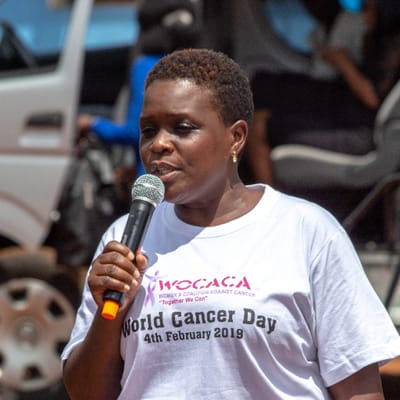
Women Coalition Against
Cancer (WOCASA) has called for increased awareness among health workers,
particularly those working in communities, to help identify breast cancer signs
and symptoms early.
WOCASA Executive Director
Maud Mwakasungula says there is a need to train health workers to equip them
with the knowledge and skills to recognise signs and symptoms of breast cancer
and make referrals where necessary.
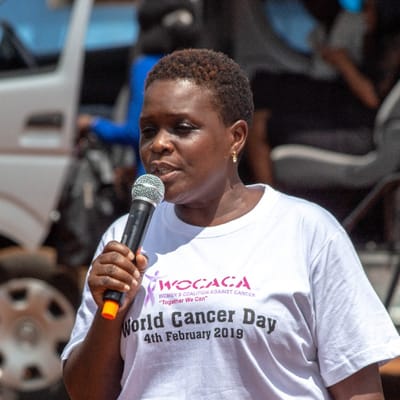
In picture: Mwakasungula, WOCASA Executive Director
“Breast cancer is a very
serious health concern in the country, so we want health personnel to be
trained, especially those working in communities, on how to detect cancer at an
early stage. They should be able to make referrals where necessary,”
Mwakasungula said.
Public Health Specialist Dr
Jamil Shelif Chikakuda has also called for increased community awareness to
encourage people to seek medical attention as soon as they notice unusual
changes in their breasts.
Chikakuda says barriers to
awareness and access to diagnosis remain some of the major challenges in
addressing breast cancer in Malawi.
He has also condemned the
tendency of some people to seek treatment from traditional healers before
visiting health facilities, saying this contributes to late presentation of
breast cancer cases and makes treatment more difficult.

In picture: Public Health Specialist Dr Jamil Shelif Chikakuda
“When we look at Malawi, we
are having a lot of late-stage presentation of breast cancer. People seek
traditional healers before medical personnel, which makes it difficult for
doctors to treat cases when we receive them at a late stage,” Chikakuda said.
The remarks come as Malawi joins
the rest of the world in commemorating Breast Cancer Awareness Month, observed
every October.
This year's campaign is being
observed under the theme, “Every story is unique, every journey matters,” which
recognises that every person's experience with breast cancer is different.
According to the World Health Organization, an
estimated 2.4 million people were diagnosed with breast cancer globally in
2024, while about 694,000 women died from the disease.