Feature
Nov 17, 2025 04:28 PM
Ivy Tunkete Mwanyongo
Restoring dignity: Nkhotakota opens first fistula ward for women
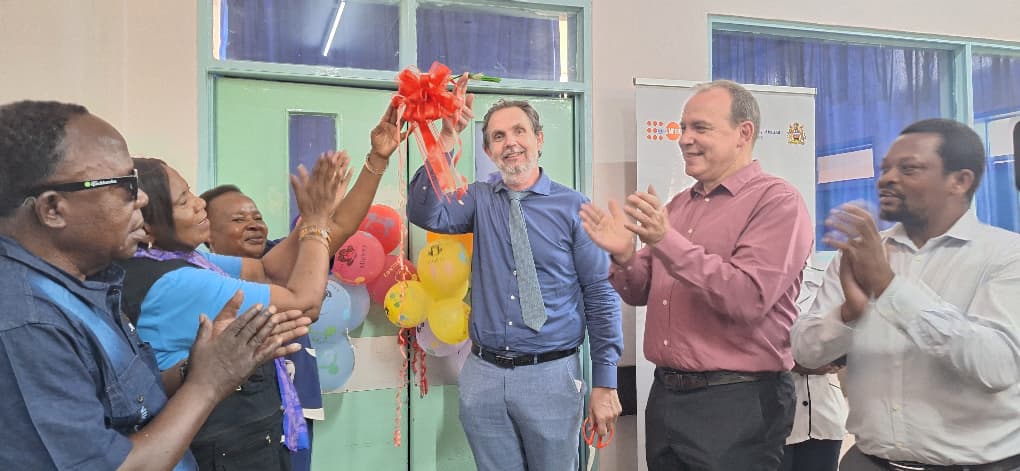
Nkhotakota District Hospital, located at the Boma of Malawi’s lakeshore district of Nkhotakota, serves more than 20,000 people referred from government health centers and mission hospitals across the district.
Inside the hospital, there is a special waiting area, locally known as “Kodikilira”, where pregnant women stay as they await delivery. Here, every woman faces two possibilities: a safe birth or complications that could put both her and the baby at risk.
One of the most devastating complications is obstetric fistula, a childbirth injury that causes a hole between the birth canal and bladder or rectum, resulting in continuous leakage of urine or faeces. For years, women in Nkhotakota have suffered silently due to delays in accessing care, long distances to treatment and the absence of specialized services.
Health Promotion Officer, Gary Chilinga said that since Bwaila Fistula Centre began operating, Nkhotakota has referred 39 women for treatment. They travelled about 170 kilometers (about 105 miles) from Nkhotakota to the capital city Lilongwe, a journey of more than four hours on rough roads. For most families, this trip is exhausting and the hospital or supporting partners usually cover the costs.
Nkhotakota District Director of Health and Social Services, Dr. Jacob Kafulafula said that from January to October 2025, twelve women were referred to Bwaila because the district did not yet have the capacity to treat fistula locally.
“As Nkhotakota, we did not have trained personnel to manage fistula cases,” he said, adding that for women referred to Lilongwe, the journey can be costly, about K200,000 (about USD 115) per trip which the hospital or supporting partners usually cover, so patients themselves do not pay.
For Sekina Mbamba, from Mpondagaga in Traditional Authority Malengachanzi, the experience was personal and painful. She became pregnant in 2022 at just 21 and delivered through a cesarean section. Five days later, she discovered she was leaking urine and faeces. Her mother helped her get to the hospital, and she was eventually referred to Bwaila, where doctors confirmed she had obstetric fistula. Sekina recalls how isolating that time was.
“It was hard to associate with my friends. I felt isolated because of the smell,” she said.
In contrast, Asiyatu Tambala from Chiputa Village, T/A Malengachanzi, lived with fistula for fifteen years before being treated in 2015.
“It was very hard,” she remembers. “Some people told me to go for prayers, saying I was bewitched. I stopped attending social gatherings because I never knew when I would leak. I preferred staying home, wearing many layers of clothes.”
Dr. Margaret Moyo, Country Director of Freedom from Fistula Foundation (FFFF), said that although fistula is a serious problem, it is often hidden.
“Many women suffer in silence, partly because of stigma,” she said.
Bwaila Fistula Centre treats women from across Malawi and even from Mozambique. Dr. Moyo explains that one of FFFF’s goals in supporting the new ward at Nkhotakota District Hospital is to decentralize treatment.
“We trained health workers in district hospitals so that women do not always have to travel. With this ward, only the most complicated cases will be referred to Bwaila.”
Although the ward has been open for less than a month, three women have already been treated at Nkhotakota District Hospital. On average, fistula patients spend about two to three weeks in hospital, depending on the severity of their condition and recovery.
Speaking at the opening, Nellie Kamtedza, representing the District Commissioner, urged women living with fistula to come forward and seek care.
“No woman should continue suffering in silence,” she said.
The ward is part of Malawi’s broader effort to end fistula, aligned with the National Obstetric Fistula Strategy 2023–2030, launched with support from UNFPA. The strategy aims to expand capacity in district hospitals, reduce long distance travel and strengthen prevention, early diagnosis and reintegration of survivors.
Malawi’s Sexual and Reproductive Health and Rights Policy also guarantees that women who develop fistula must have immediate access to treatment and rehabilitation and emphasizes skilled birth attendance and proper monitoring during labor.
The ward was opened with support from the Iceland Embassy in Lilongwe through UNFPA. David Bjarnason, head of mission for the Iceland Embassy, said, “One component of the project here in Nkhotakota is improving health services. Our hope is to see no fistula cases here as we emphasize prevention.”
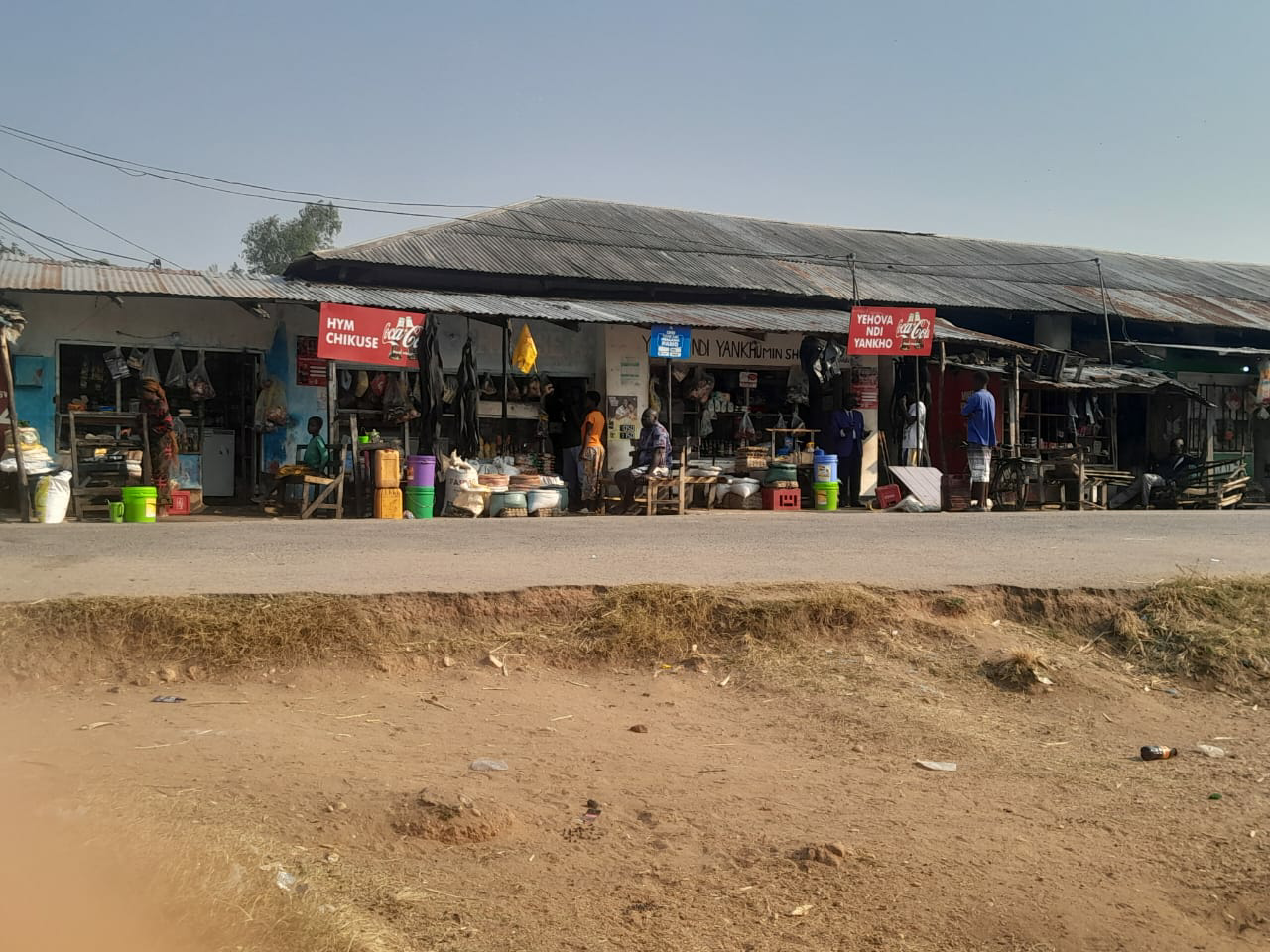
Freedom from Fistula Foundation, through its Bridge Hope project, is raising awareness about fistula, including prevention and treatment. They work with Theatre for a Change (TFAC), which conducts campaigns in public spaces such as markets, locally known as tsiku la msika.
Henry Kambuzuma, advocacy and communication lead for TFAC, said the campaigns are vital.
“In rural areas, many still believe fistula is caused by witchcraft. These awareness efforts are changing mindsets and encouraging women to come forward for care.”
For women across Nkhotakota, the new fistula ward is more than a medical facility, it is a symbol of dignity, restoration, and gender equity. Health officials say that with the ward operational, women no longer have to make long, costly journeys. Treatment is now closer, faster and more accessible.
Survivors like Sekina and Asiyatu now speak of renewed hope that future generations will not suffer as they did, that treatment will be local and that families will understand.
Sekina said, “Now other women can get help right here, they don’t have to travel or hide.”
Health officials and partners stress that the ward contributes to the national strategy to prevent fistula, reduce stigma, and integrate treatment into broader sexual and reproductive health services. By combining care, awareness and community support, Nkhotakota is taking a significant step toward ending fistula and restoring hope for women.
Freedom from Fistula Foundation reports that about 400 women are treated for fistula every year in Malawi. The cost of a full repair, which the hospital or supporting partners cover, reaches about K800,000 (about USD 450) per woman with patients themselves paying nothing.
Tags:
#user feedback
Share on: