Feature
Nov 19, 2025 05:04 PM
Ivy Tunkete Mwanyongo
Risk: Tackling SRHR challenges among girls in Nkhotakota
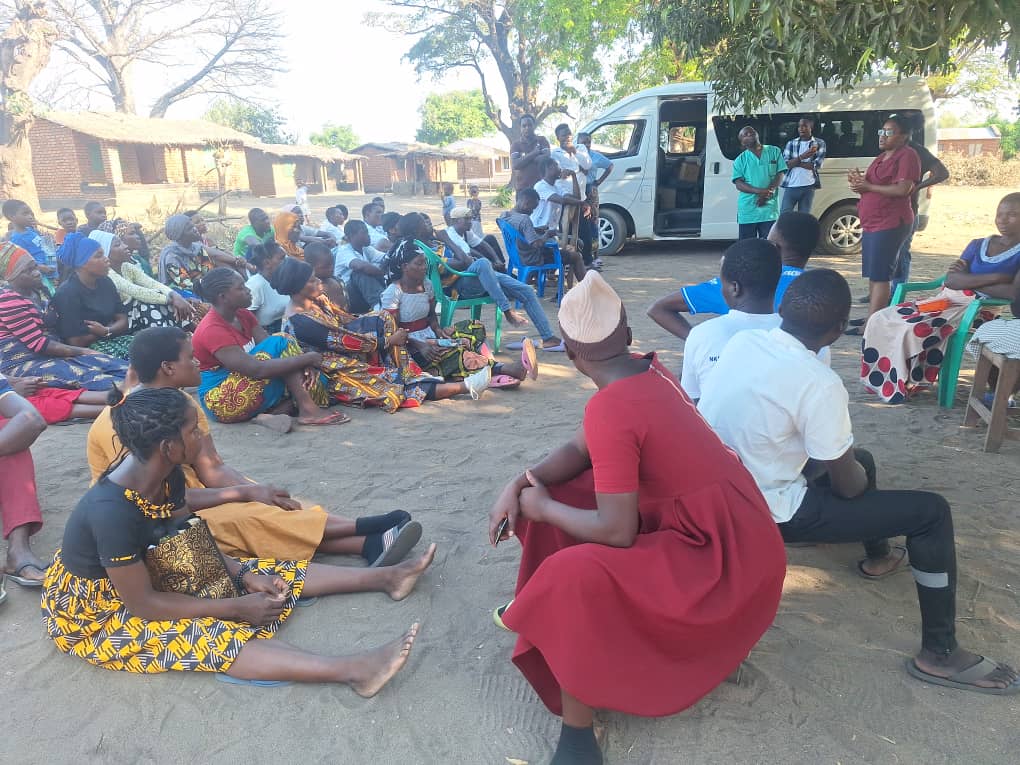
For 21-year-old Thandi Banda from Dwangwa in lake shore district of Nkhotakota, fear of judgment kept her from seeking reproductive health services.
"I used to be scared to visit the hospital because people would gossip if they saw a young girl there, especially seeking family planning services,” she says. “But when the district hospital team came to our area and explained things clearly, I felt safe. Now I use family planning and continue with school.”
Before the outreach sessions began, Thandi says she mostly relied on her friends for information because she feared being seen at the clinic. She says the little knowledge she had made her constantly worry about getting pregnant, but she still could not gather the courage to seek proper guidance from health workers.
Thandi’s experience reflects a growing problem in Nkhotakota: teenage pregnancies and unsafe abortions among girls aged 10–24. Between January and July 2025, health facilities in the district recorded 120 abortion cases, with nearly 60 percent (59.9%) involving girls in this age group. Among cases that came with complications, two-thirds (66.7%) were girls aged 10–24. Of all abortion cases, 11.4 percent were induced, and of these, 58.4 percent involved girls aged 10–24.
National level data from the Ministry of Health shows that about 35 percent of abortion cases involve adolescents, showing that Nkhotakota’s rates are higher than the national average.
Several factors contribute to these high numbers. Deep-rooted stigma, restrictive laws, cultural practices and lack of youth-friendly services leave many girls with few safe options.
Thandi’s experience is one example of how stigma pushes many girls to rely on peers instead of health workers, leaving them with limited information and a higher risk of unintended pregnancies.
Some girls who have gone through unsafe abortions were not willing to speak on record because of fear of stigma. Social events such as Mbirijongwe ceremonies and late-night dances called Mchezo also provide platforms for risky sexual behaviour.
“Many girls fear visiting clinics because of gossip and judgment from the community. Some are forced to seek unsafe abortions,” says Yewo Gondwe, Family Planning 2030 Ambassador.
Gondwe believes that changing the country’s laws on safe abortion and allowing communities to talk freely about sex would help address the problem. “In our societies, talking about sex openly is regarded as a taboo but in reality, sexual activities are happening among the youth,” said Gondwe.
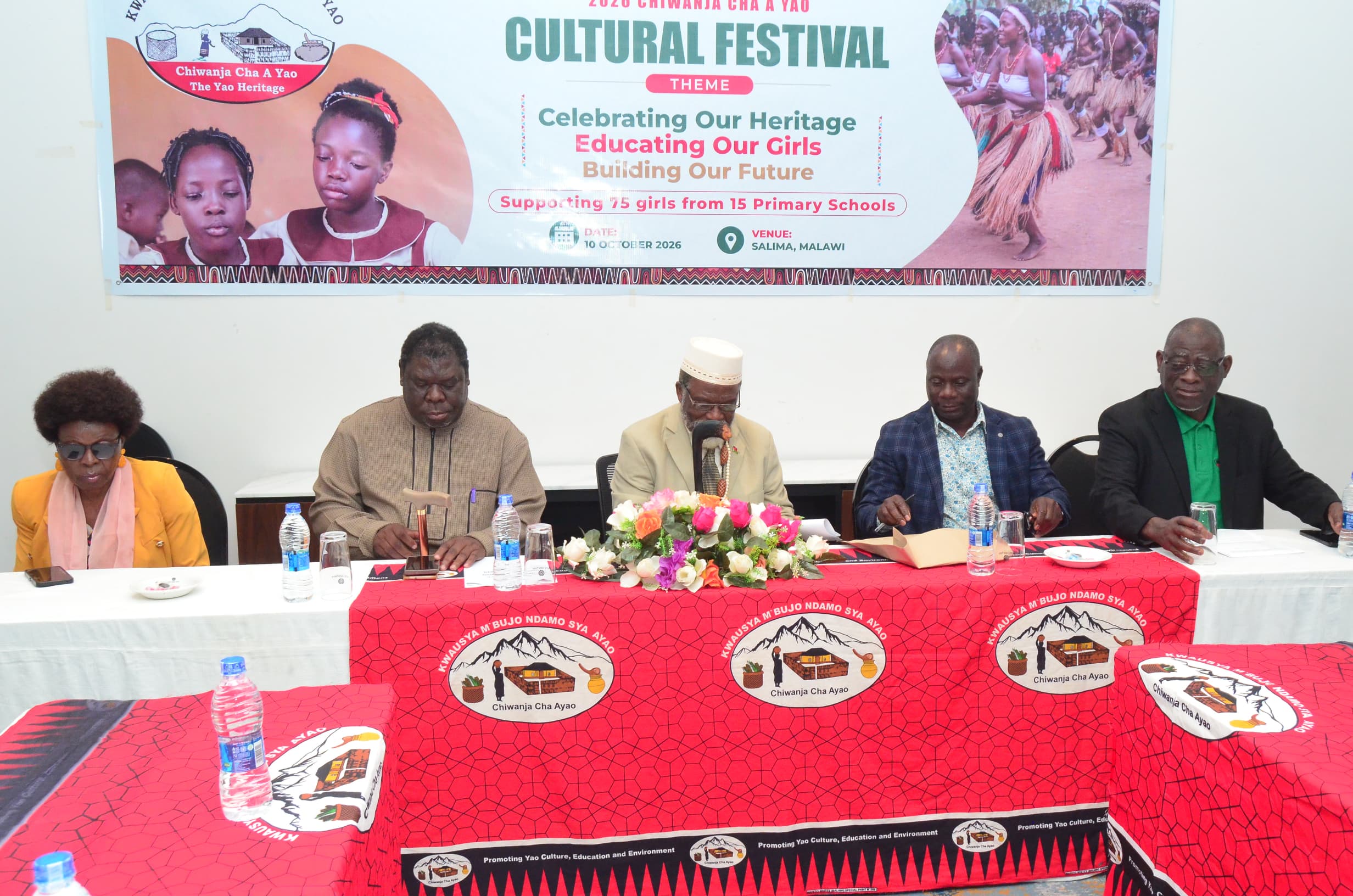
Senior Chief Kalimanjira has also called for a review of Malawi’s restrictive abortion laws, highlighting cases of girls who died due to unsafe procedures.
“A girl from my area died because she could not access safe abortion services. When I was told about the issue, I realized that the girl was impregnated by her close relative as such it was hard for her to keep the pregnancy. This is a warning that urgent action is needed,” Kalimanjira said.
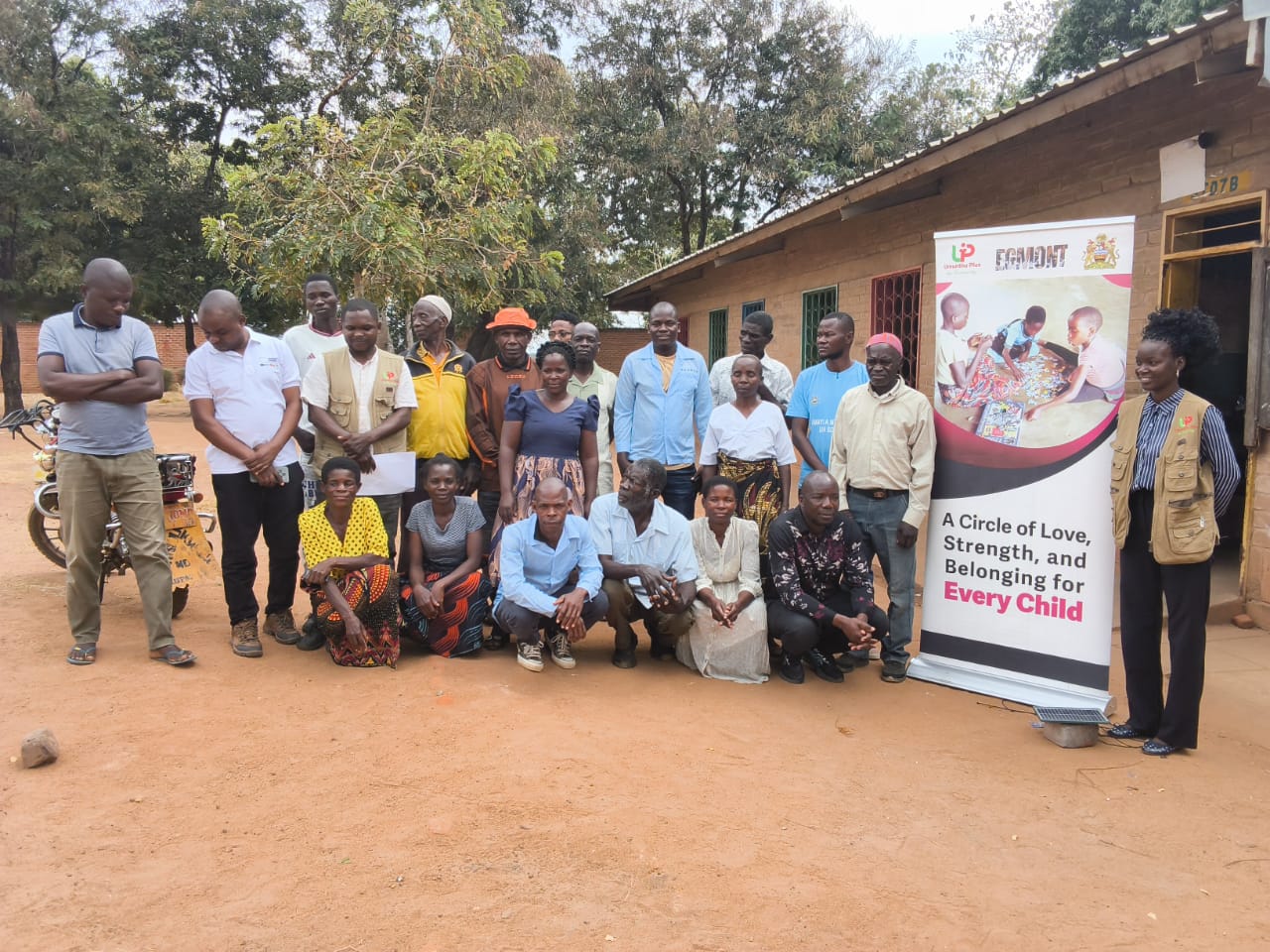
Nkhotakota District Youth Coordinator, Jossein Chizala, says the district is addressing these challenges through outreach clinics and youth-friendly initiatives.
“We are coordinating with youth networks, chiefs and NGOs to bring services closer to young people. This week, for example, we are conducting clinics in Manyamba, Masewe and Dwangwa,” he explained.
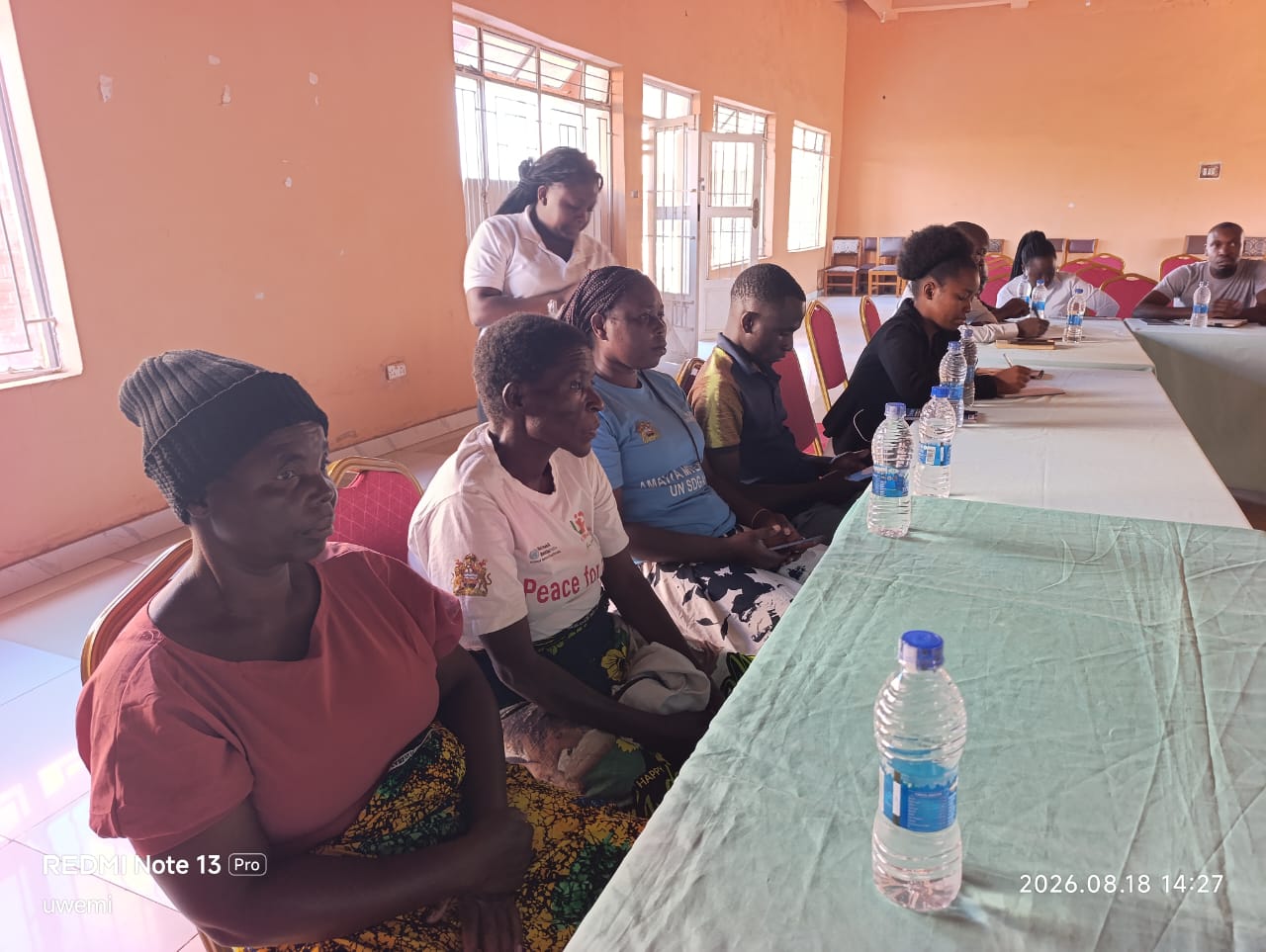
The clinics provide counselling, family planning methods and accurate SRHR information. Attendance is growing, with some outreach sessions attracting 200 to 300 young people, showing strong demand, said Chizala.
Partners such as the United Nations Population Fund (UNFPA) are supporting these efforts by promoting comprehensive sexual education and increasing access to reproductive health commodities.
“Preventing teenage pregnancy requires more than health interventions. Education and open dialogue about sexuality are crucial,” said Richard Delate, UNFPA Acting Representative. “In 2025 alone, UNFPA has spent over 10.8 million dollars to strengthen the supply of family planning commodities and support SRHR education.”
While outreach and education are showing results, experts argue that law reform is also necessary. Malawi’s current legislation permits abortion only when the mother’s life is at risk, leaving many girls to seek unsafe alternatives. Previous attempts to expand legal grounds, including cases of rape, incest or severe foetal abnormalities, were never fully debated in Parliament.
“Post-abortion care is available, but revising the law could save lives,” Gondwe adds.
Nkhotakota’s experience shows that solutions are emerging, but challenges remain. Breaking cultural barriers, addressing stigma and expanding legal access are essential to ensure safe and inclusive reproductive health services for every girl. By combining education, outreach and policy advocacy, the district hopes to protect the future of its young women while offering lessons for the wider country.
Tags:
#user feedback
Share on: