Feature
Dec 09, 2025 06:35 PM
By Ivy Tunkete Mwanyongo
Women with disabilities demand equal access to SRHR services
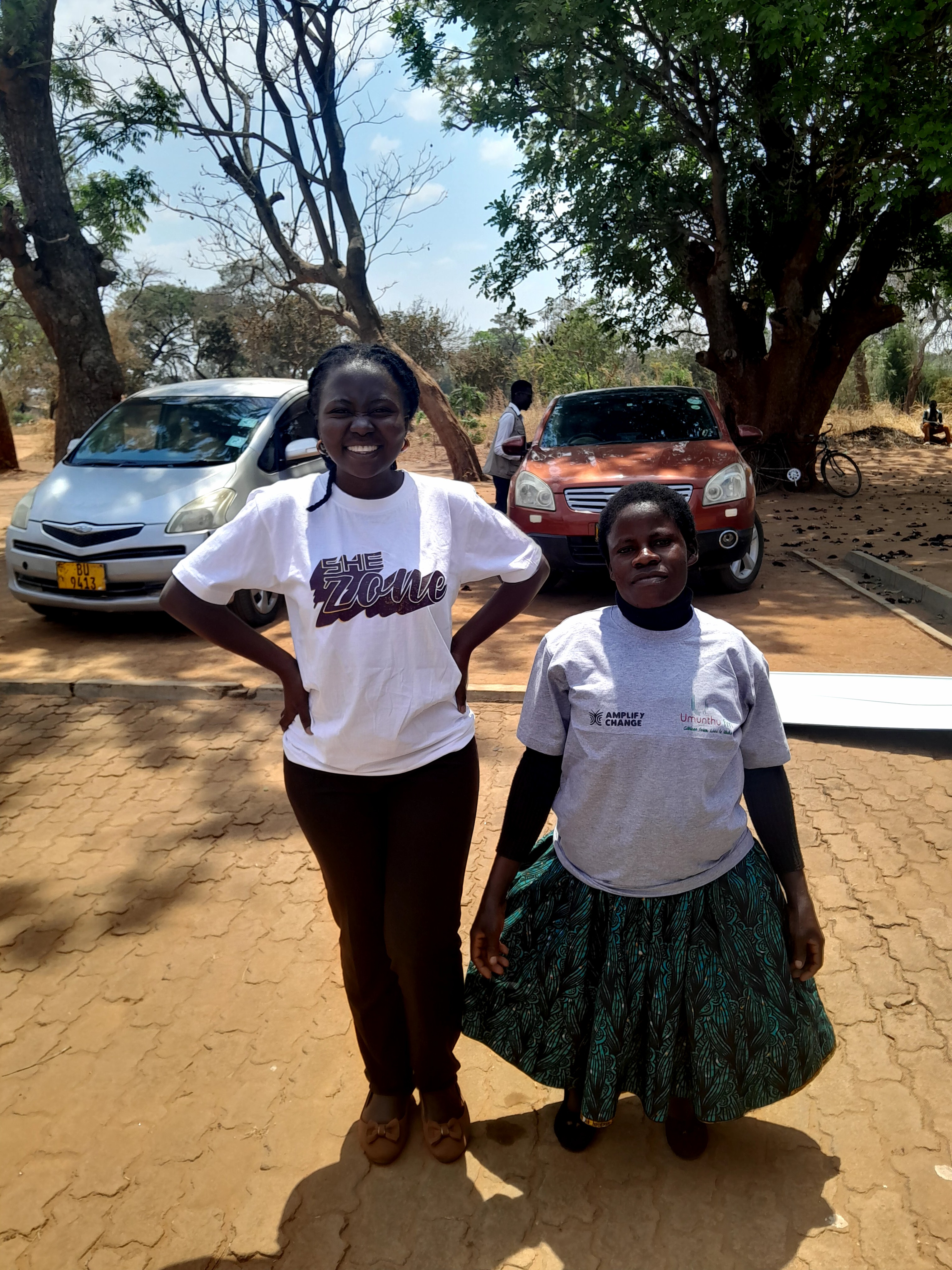
Victoria Supuliyano, a teacher at Chilanga School for the Blind in the area of Senior Chief Kaomba, in Kasungu district recalls how negative attitudes from health workers affected her.
During one antenatal visit in 2023 a nurse remarked, “even you got pregnant,” as if pregnancy were impossible for a blind woman. Victoria says, such words discourage women with disabilities from seeking care in health facilities mostly government facilities.
Alice Banda, a woman with dwarfism from Traditional Authority Chilowamatambe, in the same district describes how she went for a checkup, in 2022 when other women in the queue whispered and questioned whether she would safely give birth.
“I tried to defend myself and told them I already have a child,” said Banda. She added that discrimination extends into community life, where women with disabilities are often sidelined from development activities.
Another woman with a hearing impairment who opted for anonymity shared that health staff rarely provide sign language interpretation, often speaking to relatives instead, which undermines her right to informed consent and privacy.
Advocacy Voices
Malawi Council for Disability Affairs (MACODA) Manager for Kasungu Wisdom Mseteka said these experiences reflect a broader societal problem.
“People call us names like the disabled person or the blind person, identifying us by our disability. It is wrong and demeaning,” he said.
Mseteka said the council is comimitted to continue advocating for equal treatment but needs stronger support from government and the private sector.
Barriers to Access
Women in Kasungu also report several challenges that prevent them from accessing SRHR services.
For instance, Victoria says mostly information in accessible formats is scarce.
She says for people with visual impairment like her, braille and easy-read SRHR materials are rarely available at district clinics.
Banda also shares that sign language services are seldom provided. “Women who are deaf or hard of hearing often rely on relatives to interpret”, added Banda.
Clinics lack basic infrastructure such as private counselling spaces, and accessible examination tables, according to Banda.
Policy Gaps
Malawi has laws and policies that protect the rights of persons with disabilities, but implementation is inconsistent. The Disability Act which was revealed in 2023 requires the government to provide the same standard of health services to persons with disabilities and forbids denial of care or charging higher fees.
Additionally, the Gender Equality Act (2013) guarantees every person the right to access SRHR services without discrimination.
The 2025 National Disability Policy commits to disability-inclusive health services, training for health workers, and accessible health information.
Despite these commitments, women with disabilities in Kasungu continue to face systemic barriers. Monitoring and accountability mechanisms are weak, and enforcement of the laws is limited.
Government Response
District officials acknowledge the problem. Kasungu social welfare officer Ephraim Njikho says many women with disabilities are treated unfairly and calls for a change in mindsets.
“People with disabilities are equal and need to be treated like everyone else. That is how we build a strong community for all,” he said.
Kasungu District Hospital Ombudsman Thokozani Lemani confirms having received two complaints earlier this year which were about lack of sign language interpreters but was quick to mention that the hospital is engaging stakeholders to improve treatment.
“ Well as an Ombudsman, I have attended several meetings where such issues were raised and we look forward to improving on the same as everyone deserves utmost care”, said Lemani.
He however added that progress is slow, and gaps remain between policy commitments and everyday practice.
Outgoing District Council chairperson and gender committee chairperson Mwambilaso Mbetsa and councilor for Lifupa ward said the council will work with local health authorities to address discrimination.
She pledged to champion disability-inclusive bylaws and engagement with Kasungu District Hospital to strengthen accountability.
Moving Forward
Women and advocates recommend practical steps to address these challenges. These include producing and distributing SRHR materials in accessible formats, providing sign language interpretation at clinics, training health workers on disability inclusion and respectful care, upgrading clinic infrastructure to accommodate people with disabilities, strengthening monitoring and accountability mechanisms, and scaling successful NGO interventions that have improved access for women with disabilities.
For Victoria, Alice, and many others, the solution is clear: equal treatment and dignity when seeking health care. They point to national laws and policies that already guarantee these rights. What remains is consistent implementation, adequate funding, and accountability.
“If you treat us like any other person, we will be healthy, our families will be healthy, and our communities will be stronger.”
Tags:
#user feedback
Share on: