Health
Sep 29, 2025 09:26 AM
Ivy Tunkete Mwanyongo
Unsafe Abortions on the Rise: Calls Grow in Nkhotakota for Law Reform
Senior Chief Kalimanjira of Nkhotakota has called on authorities to review Malawi’s restrictive abortion laws if the country is to reduce the rising number of unsafe abortions among girls and women in the district.
Statistics from the district health office indicate that Nkhotakota has one of the highest rates of early pregnancies in the country, standing at 33 percent, with a termination rate estimated at 66 percent among girls aged between 10 to 24 years.
Senior Chief Kalimanjira said the statistics are a warning that urgent action is needed to protect girls from resorting to unsafe means of terminating pregnancies.
“What I am saying is not just out of the blues. A girl from my area died due to unsafe abortion. That really affected me, knowing that the girl had reasons for doing such an action. But due to our restrictive laws, she could not have sought safer options,” said Kalimanjira.
The Chief has since appealed to newly elected Members of Parliament (MP) to prioritize reviewing abortion laws, which currently only permit termination when the mother’s life is in danger.
Concurring with Kalimanjira, Family Planning 2030 Ambassador Yewo Gondwe described unsafe abortion as a “big issue” in Nkhotakota that cannot be ignored.
Gondwe attributed the problem to social stigma and lack of responsibility by some men, leaving girls with limited options.
“Looking at the laws, they provide penalties for someone wanting to terminate a pregnancy. As such, most girls fear that and resort to unsafe abortions to avoid punishment,” Gondwe said.
In 2021, MP Mathews Ngwale introduced a Termination of Pregnancy Bill in Parliament, drawing on earlier work by the Malawi Law Commission, which consulted the Ministry of Health, NGOs such as Ipas and COPUA, as well as traditional and faith leaders. The bill sought to expand the grounds for legal termination to include cases of rape, incest, and severe foetal abnormalities. However, due to strong opposition, the bill was never debated and was later withdrawn.
Gondwe expressed hope that the new Parliament will revisit the matter. She further called for more awareness on Sexual and Reproductive Health and Rights (SRHR) services, saying access to contraception and proper care would help reduce teenage pregnancies and unsafe abortions.
While many are calling for law reform, others argue that community leadership and parental guidance remain equally important.
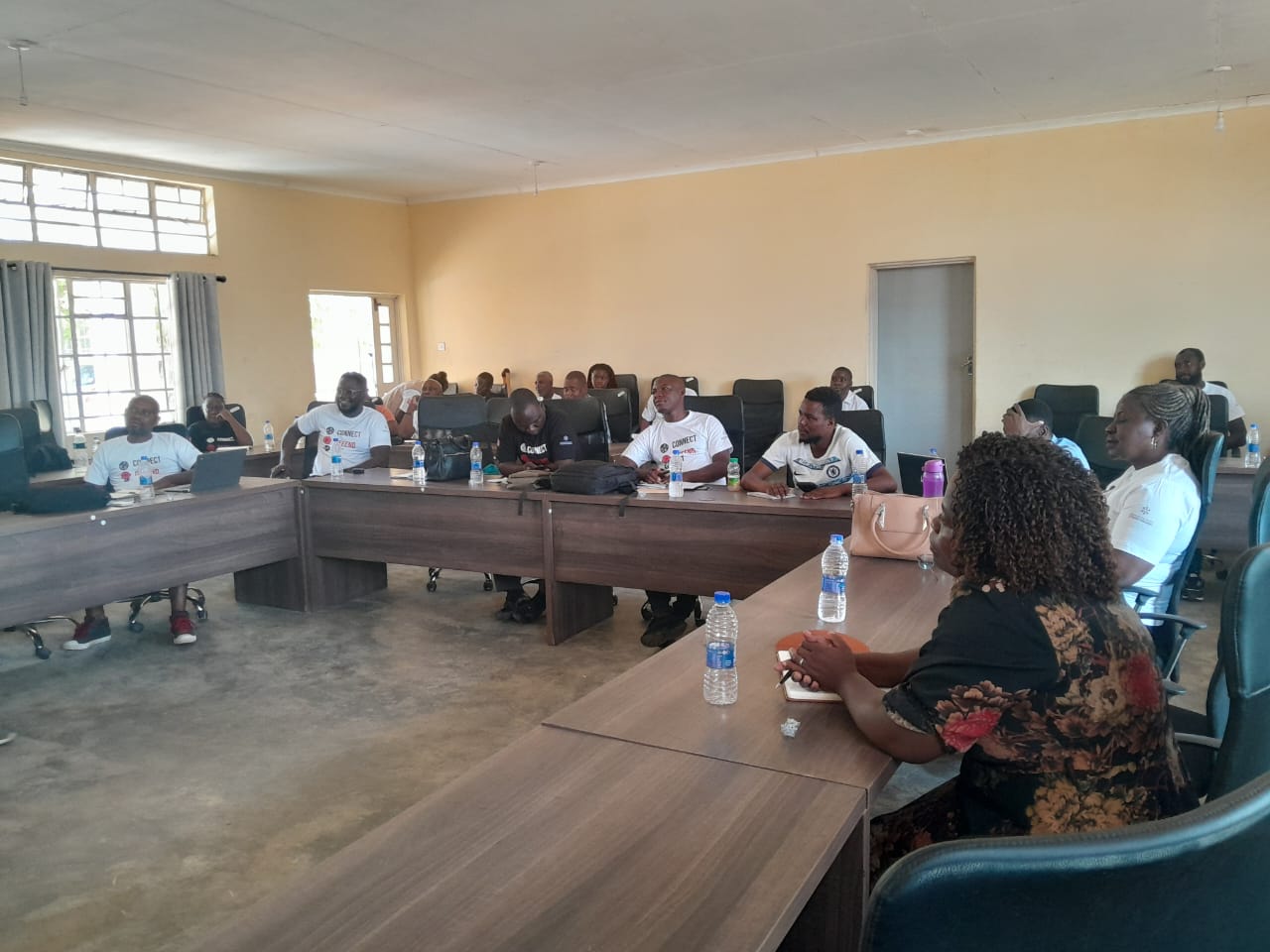
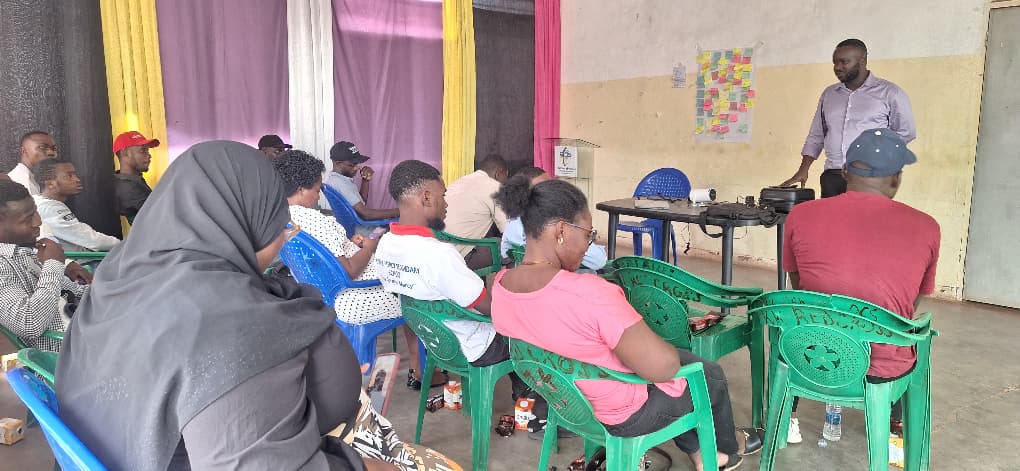
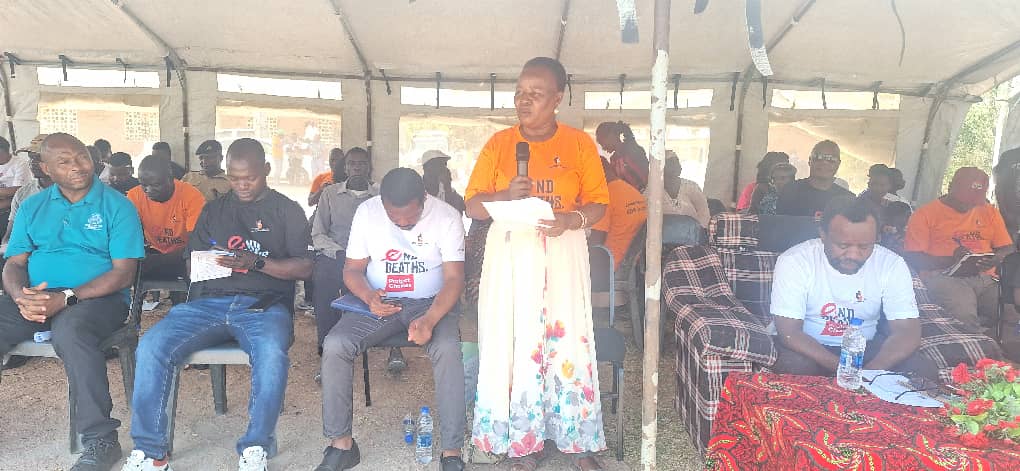
Nkhotakota District Chief Education Officer, Nellie Kamtedza, speaking on behalf of the District Commissioner during International Safe Abortion Day commemoration at Chisoti Primary School Ground in the area of Traditional Authority (T/A) Malengachanzi on Sunday, pointed to cultural events such as Mchezo and Mbirijongwe as contributors to teenage pregnancies that later lead to unsafe abortions.
Kamtedza urged communities to reduce such activities and provide civic education on the dangers of unsafe abortion.
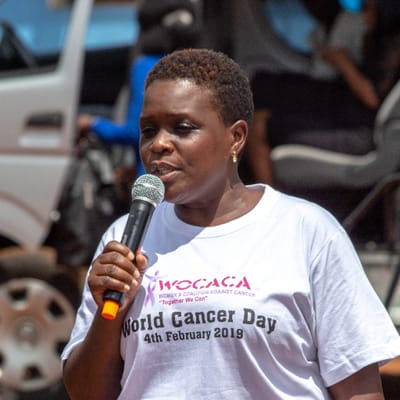
Meanwhile, Faith Kadzanja of the Coalition for the Prevention of Unsafe Abortion (COPUA) encouraged girls to prioritize education and abstain from early sexual activity.
“Let me also point out the need to use contraceptives where necessary, as this can help prevent unwanted pregnancies,” Kadzanja said.
At the same event, Dr. Amos Nyaka, speaking on behalf of the Director of Reproductive Health in the Ministry of Health, acknowledged the challenge and said the Ministry is committed to reducing unsafe abortions by strengthening SRHR services.
He also emphasized that refining the law could address key gaps, citing examples from Mozambique and Zambia where broader legal grounds have reduced unsafe procedures.
“Currently, with the leadership of the Ministry of Health, we drafted a bill that adds grounds to legal termination of pregnancy, including cases of incest, defilement, and foetal malformation incompatible with life. These are the reasons the Ministry feels the next Parliament should consider,” Dr. Nyaka explained.
Although the Malawi Electoral Commission (MEC) has yet to officially announce winners of the September 26 parliamentary elections, calls are already resurfacing for the abortion bill to be placed on the legislative agenda.
Malawi records an estimated 141,000 abortions every year, most of them unsafe, according to a 2015 study by the college of medicine, the Ministry of health and the Guttmacher Institute.
Health experts and advocacy groups argue that reforming restrictive laws and expanding access to safe reproductive health services is critical, to protect women and girls from preventable deaths.
Tags:
#user feedback
Share on: