Community participation
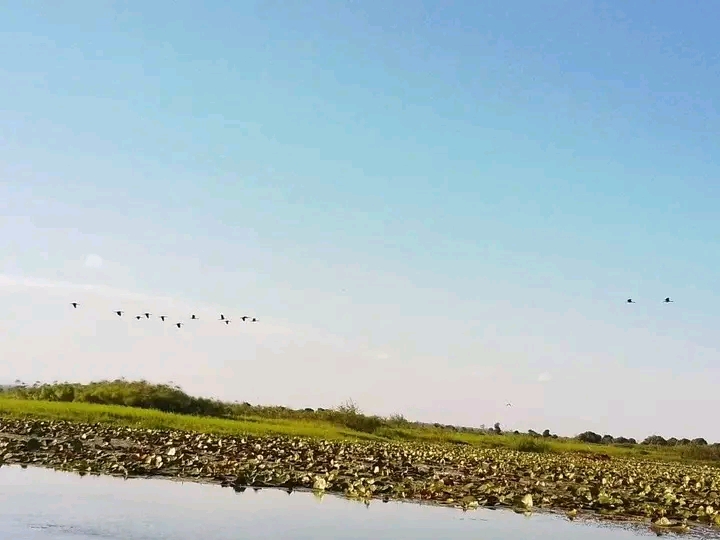
in conservation efforts is helping to revive aviatourism at Chia Lagoon in
Nkhotakota District, with increasing numbers of water birds attracting tourists
and creating new opportunities for local livelihoods.
The Wildlife and Environmental
Society of Malawi (WESM) says the Chia Lagoon Water Bird Project has
contributed to a noticeable increase in the number of bird species being
recorded at the wetland compared to previous years.
WESM Project Coordinator
Chifundo Dalireni attributed the progress to strong community involvement in
protecting birds and their habitat.

"We are seeing more
birds at Chia Lagoon than in previous years, and this is largely because
communities have taken ownership of conservation activities," said
Dalireni.
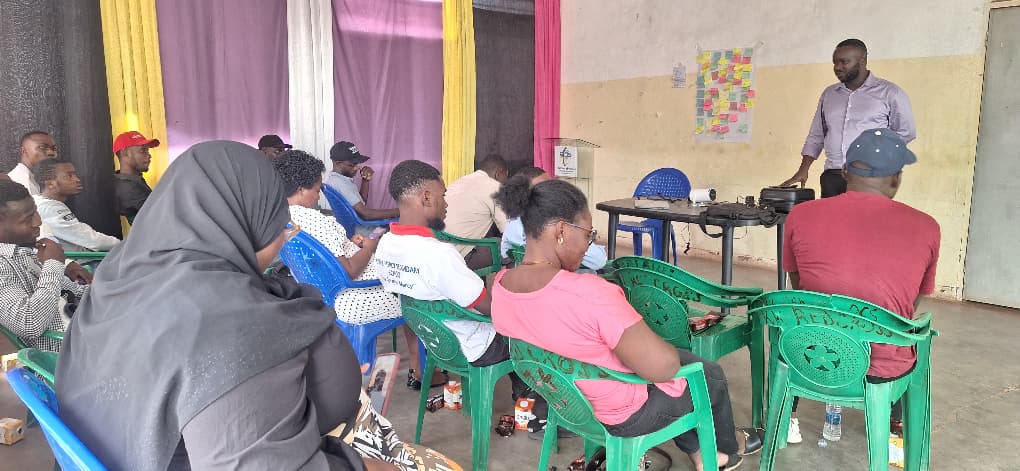
He said local bird
hunting clubs and community associations have become active partners in
promoting environmental stewardship, helping to protect bird habitats and
reduce activities that threaten biodiversity.
"The commitment
shown by community groups has been encouraging. People now understand the
importance of conserving the wetland, not only for biodiversity but also for
the benefits that tourism can bring," he said.
The project is directly
benefiting more than 9,000 community members and has reached over 25,000 people
with conservation messages through various community engagement activities.
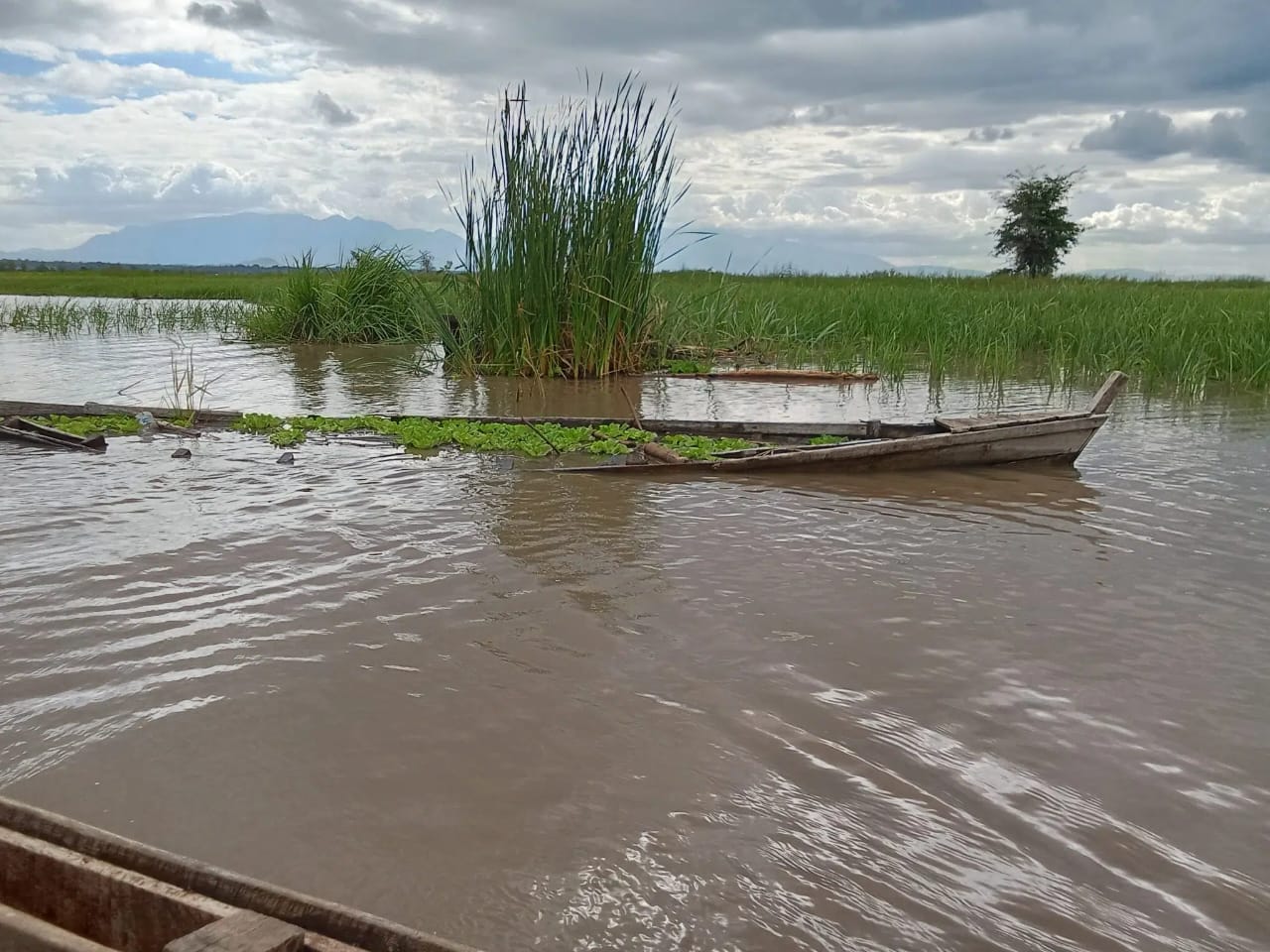
Chia Lagoon is recognised
as an important site for global biodiversity because of its role in conserving
ecosystems and species while supporting the sustainable use of natural
resources. Improved conservation efforts are now translating into greater
environmental and socio-economic benefits for surrounding communities.
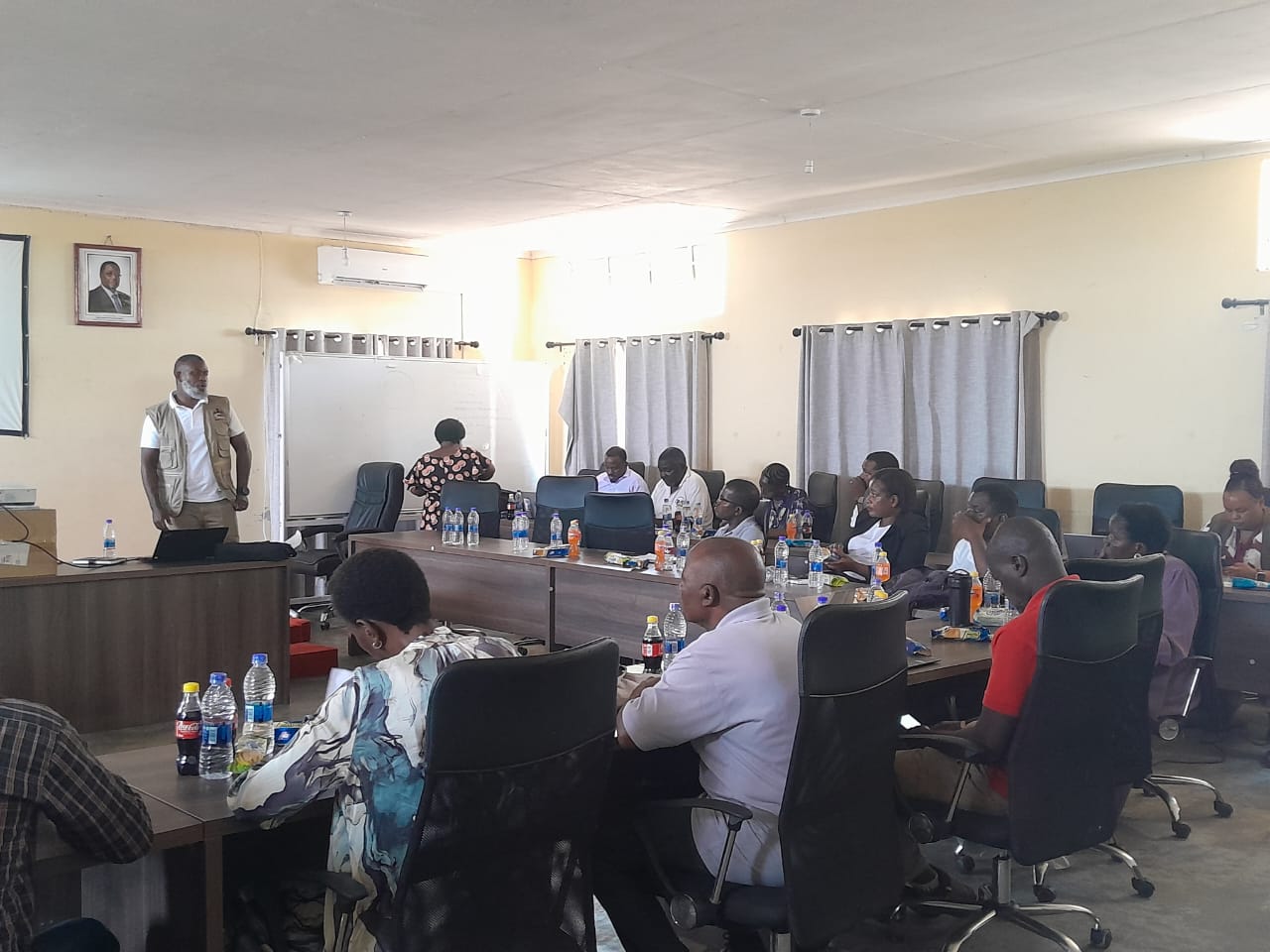
Dalireni said one of the
turning points for the project was an educational exchange visit to Lake
Chilwa, where selected community members had an opportunity to learn from
successful wetland conservation initiatives.
"When community
representatives visited Lake Chilwa and saw how conservation was benefiting
local people, they returned with a different perspective. That experience
helped strengthen community participation at Chia Lagoon," he said.
The organisation has
since secured additional funding from the UK-based Darwin Initiative to extend
the project and scale up conservation activities in the area.
"We have received
additional support from the Darwin Initiative, which will enable us to build on
the progress that has already been made and ensure that conservation gains are
sustained," Dalireni added.
Apart from Nkhotakota,
WESM also implements conservation programmes in other key ecosystems across
Malawi, including Lake Chilwa, Ntchisi Forest Reserve, Dzalanyama Forest
Reserve in Lilongwe and Mount Mulanje.
The growing bird
population at Chia Lagoon is increasingly being viewed as evidence that
community driven conservation can protect biodiversity while creating
opportunities for tourism and local development.