
Expectant mothers staying at maternity waiting shelters near Mchinji District Hospital are reportedly using traditional herbs believed to induce labour, a practice health official warn could endanger the lives of both mothers and newborns.
An
investigation by Umunthu FM has uncovered how advice on the use of
labour-inducing herbs is being shared among women waiting to give birth,
despite national efforts to promote safe motherhood and facility-based
deliveries.
At an
area commonly known as "Chipanda Ward" near Mchinji District
Hospital, pregnant women cook, sleep and wait for labour while staying close to
medical services.
Among
them is Virginia Maikolo, not her real name, from the area of Senior Chief
Mkanda in Mchinji District.
Recalling
her first pregnancy, Virginia says she arrived at the hospital experiencing
labour pains but was informed by health workers that she was not yet ready to
deliver.
“So many
hours passed and the pain intensified. It is during this time when a fellow-expectant
mother introduced me to traditional remedies believed to speed up labour. I was
told that the remedy is sold at 5 thousand Kwacha which I did pay. After
consuming it the pain stop for a while”, Said Virginia.
According
to Virginia, some women turn to such remedies because of frustration with long
waiting periods and a desire to relieve labour pain more quickly.
While
Umunthu FM could not independently verify these claims, health officials
acknowledge that the use of unapproved labour-inducing substances remains a
concern.
According
to Mchinji District Hospital Health Promotion Officer Owen Chataika, health
authorities became increasingly concerned following maternal and neonatal
outcomes recorded between October and December 2025.
Hospital
records show that during the period, approximately 4,900 women delivered at the
facility. Of these, 65 births were stillbirths, 201 newborns experienced
breathing difficulties immediately after birth, and 39 infants died shortly
after delivery.
Although
the assessment did not specifically establish how many of these cases were
linked to the use of herbs or other labour-inducing substances, Chataika says
the practice exposes mothers and babies to unnecessary risks.
“It is
just unfortunate that these mother result in using traditional means to speed
up labour, after all when time has come for the baby to come out, the women will
still give birth”, said Chataika.
He has
since called for intensified community awareness campaigns and urged expectant
mothers to follow medical advice throughout pregnancy and childbirth.
While
traditional herbs remain one challenge, health officials say the misuse of
pharmaceutical drugs is emerging as another threat to safe motherhood.
At
Nkhotakota District Hospital, authorities are reporting cases involving the misuse
of Misoprostol, a medicine intended for use only under medical supervision.
Senior
Safe Motherhood Coordinator Ireen Phiri says some women are obtaining and using
the drug without proper guidance in attempts to induce abortion or accelerate
labour.
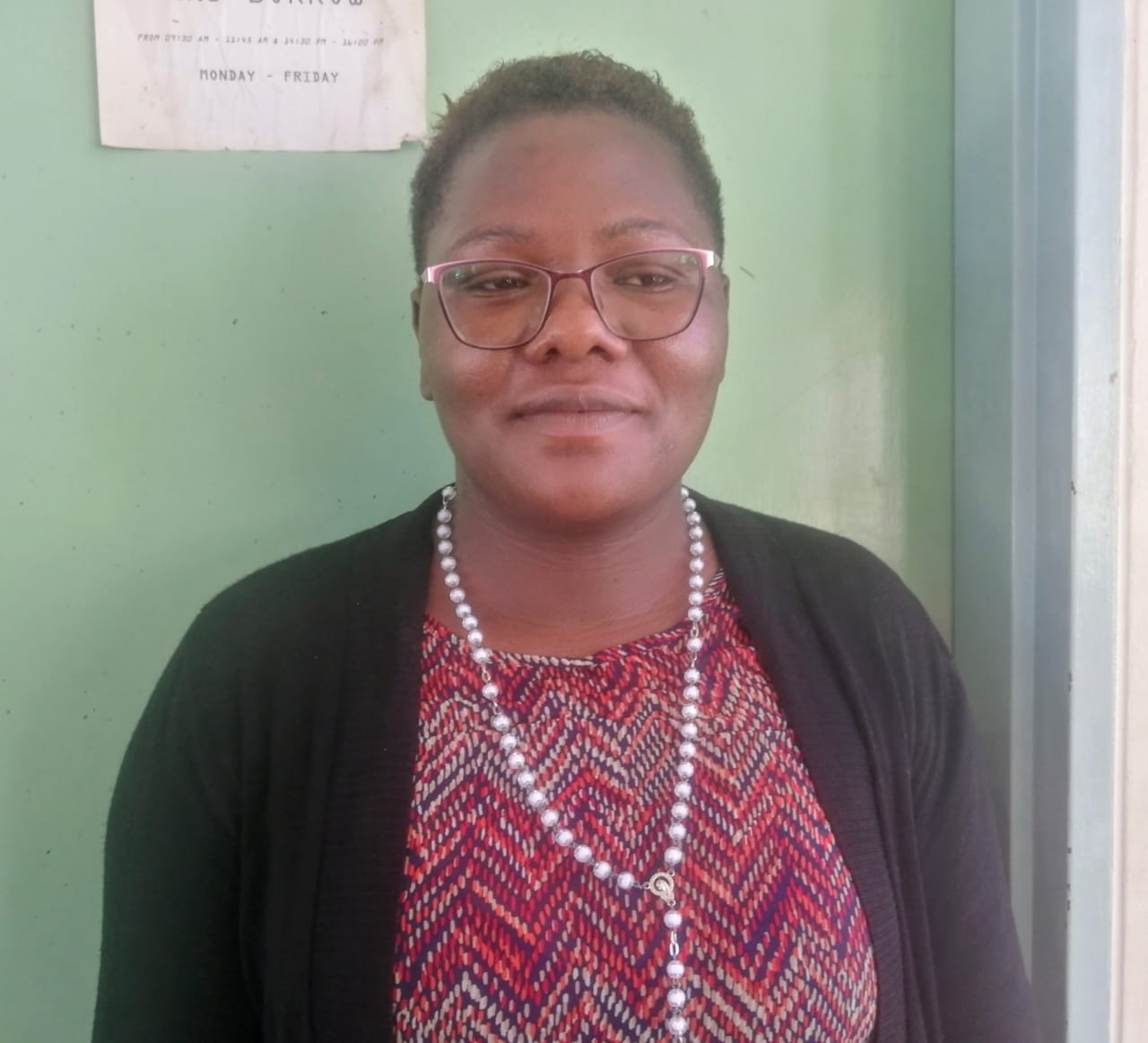
According to Phiri, the district recorded 18 maternal deaths linked to childbirth complications between April 2025 and April 2026, with most cases involving women aged between 30 and 35 years.
She warns
that unsupervised use of labour-inducing substances can lead to severe
complications for both mother and child.
“Even
though the medicine is sometimes given to the women by the health workers to
help reduce pain and sometimes induce the removal of pregnancy where
circumstances allow, but the problem is that these women are buying it on there-own
and they overdose the drug when using it,” added Phiri.
To better
understand the practice, Umunthu FM spoke to a herbalist who claims to have
assisted several women using traditional remedies.
The
herbalist who stays at Lozi in the area of Traditional Authority Malengachanzi in
Nkhotakota district demanded eleven thousand kwacha only, saying the herbs are
made from various tree species and are either consumed orally or used for
washing.
When
asked if the herbs might have negative effects on the pregnant women, he claimed
many women report reduced labour pain after using the remedies.
However,
health experts caution that such claims have not been scientifically verified
and that the safety of many of these substances remains unknown.
Safe
motherhood advocate Dorothy Ngoma describes the growing use of herbs and
unauthorised medicines during pregnancy as alarming.
She says
the trend threatens progress Malawi has made in reducing maternal deaths and
improving maternal health outcomes.
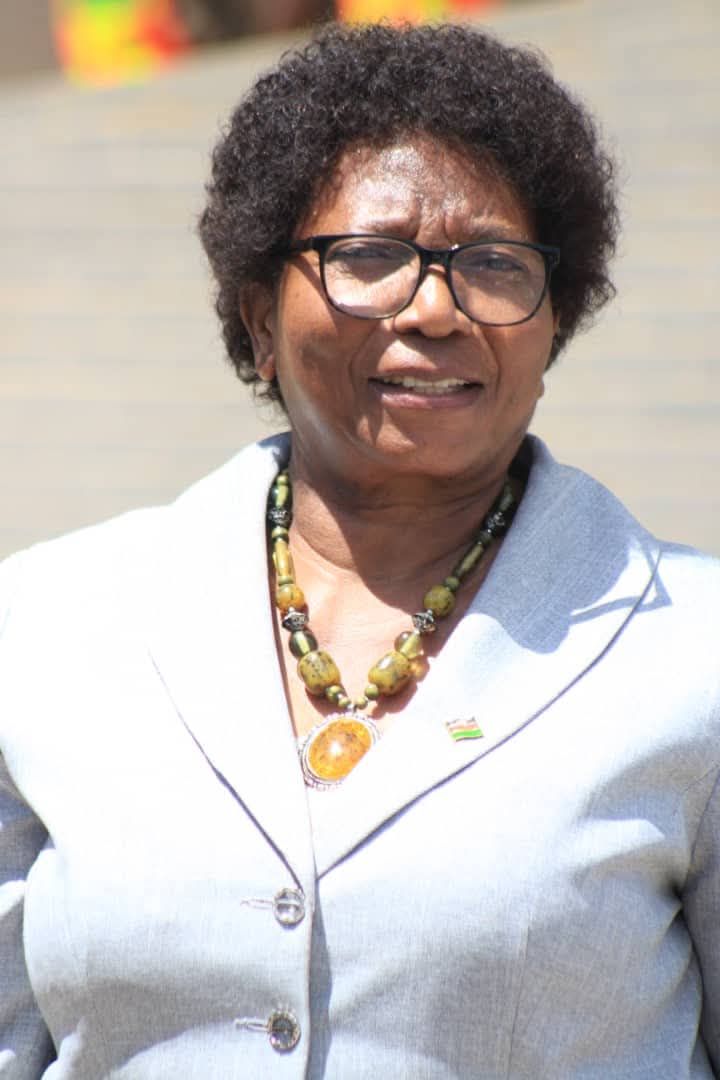
“As a nation we have worked hard to reduce maternal deaths and stillborn but with what these women are doing, it simply means they are contrubing to their on fate or of the child to be born”, said Ngoma.
“There is
need for continued awareness among the women for them to understand the danger
of using uncertified medicines especially among pregnant women”, added Ngoma.
Executive
Director of the Malawi Health Equity Network George Jobe agrees.
He says
stronger collaboration is needed among health authorities, traditional leaders,
religious institutions and communities to ensure expectant mothers receive accurate
information about safe delivery practices.

“I think for this trend to stop there is need to disseminate relevant information amongst women and girls begging from the community level. Let our leaders, even at church when people want to get married, they should also be told of the same”, said Jobe
Malawi
has for years promoted safe motherhood through the National Sexual and
Reproductive Health and Rights Policy, which seeks to ensure access to skilled
birth attendants, emergency obstetric care and safe delivery services.
Despite
these efforts, maternal mortality remains a significant public health
challenge.
According
to the Ministry of Health, Malawi records 224 maternal deaths per 100,000 live
births and 24 newborn deaths per 1,000 live births, figures that remain above
global targets.
In March
2026, the government launched a new initiative aimed at accelerating the
reduction of preventable maternal and newborn deaths, particularly in vulnerable
communities.
But
experts say reducing maternal deaths will require more than policy
interventions.
They
argue that improving trust between expectant mothers and health workers,
strengthening public awareness and addressing the use of unapproved substances
will be critical if Malawi is to achieve safer pregnancies and deliveries.