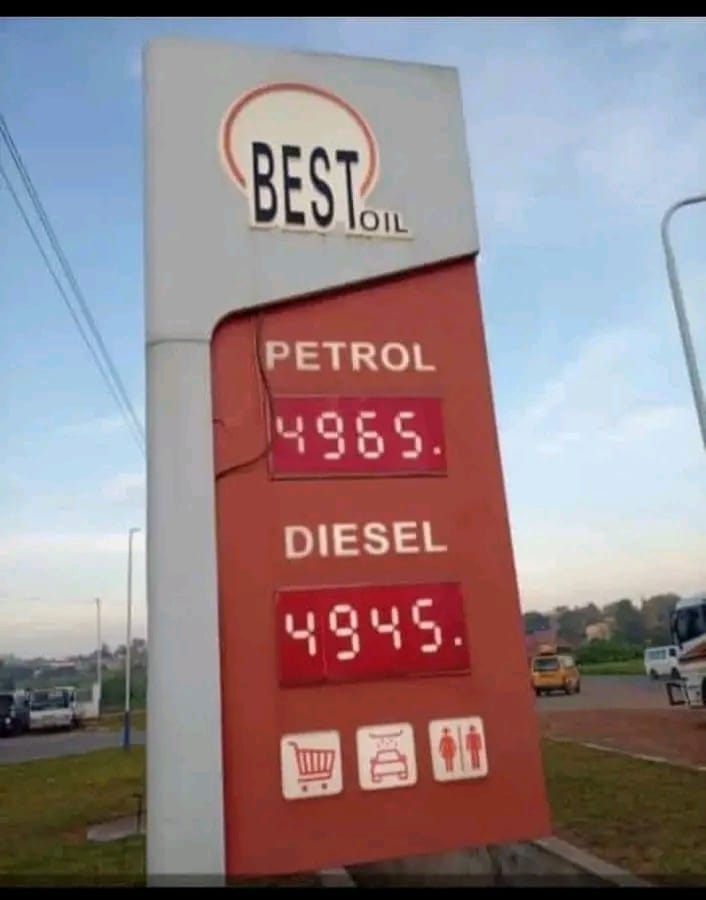
In March 2026, Malawians woke up to a sharp increase in fuel prices announced by the Malawi Energy Regulatory Authority (MERA). Petrol rose from K3,499 to K4,965, a 41.9% jump, while diesel climbed from K3,500 to K4,945, representing a 41.3% increase. The hike was justified by MERA as a response to rising import costs that had exceeded the 5% threshold under the Automatic Pricing Mechanism.
For many, this announcement was more than a technical adjustment. It was a reminder of how global economic forces — oil markets, currency fluctuations, and international trade dynamics — directly shape the daily realities of ordinary Malawians.
Local Voices, Global Pressures
The Minibus Owners Association of Malawi (MOAM) quickly raised concerns. President Coxely Kamange urged operators to comply with regulations, warning that raising fares beyond 41% would be illegal. He suggested phased increases to ease the burden on commuters, particularly students and workers who rely on minibuses for affordable transport.
Commuters expressed frustration, noting that salaries remain stagnant while transport costs continue to rise. For many households, the hike means difficult choices: cutting back on food, healthcare, or education to afford daily travel.
This tension illustrates the essence of Global Powers, Local Realities. Decisions made in distant oil markets or shaped by geopolitical rivalries ripple through to Nkhotakota, Lilongwe, and Blantyre, where families struggle to balance their budgets.
Africa’s Struggle for Agency
Malawi’s situation is not unique. Across Africa, countries dependent on imported fuel face similar challenges. Global oil prices are influenced by production decisions in OPEC countries, geopolitical conflicts, and shifts in demand from industrial powers like China and the United States. African nations, despite having natural resources, often lack the refining capacity or bargaining power to insulate themselves from these fluctuations.
This dependency raises critical questions about sovereignty and self rule. How can African states assert agency when their economies are vulnerable to external shocks? How can local realities be safeguarded against global power plays?
The Broader Picture
The fuel price hike in Malawi is a microcosm of Africa’s broader struggle. It highlights:
• Economic Vulnerability: Reliance on imports exposes countries to volatile global markets.
• Social Impact: Rising costs disproportionately affect low income households, deepening inequality.
• Policy Dilemmas: Governments must balance fiscal responsibility with social protection, often under pressure from international lenders.
At the same time, it underscores the resilience of local communities. Despite hardships, Malawians continue to adapt, innovate, and advocate for fairer policies. Civil society groups, transport associations, and journalists play a vital role in amplifying these voices.
Journalism’s Role
As a journalist, my responsibility is to connect these dots — to show how global power dynamics translate into local realities. Reporting on fuel hikes is not just about numbers; it is about the lived experiences of commuters that just adjust the fares unconditionaly, the policy challenges facing governments, and the broader question of Africa’s place in the global order.
By highlighting these intersections, journalism can contribute to a more nuanced understanding of Africa’s struggles and aspirations. It can challenge narratives that portray the continent as passive, instead emphasizing agency, resilience, and the fight for self rule.
Conclusion
The March 2026 fuel price hike in Malawi is more than an economic adjustment. It is a story of global powers exerting influence and local realities bearing the consequences. It is a reminder that Africa’s future depends not only on navigating these external forces but also on strengthening internal capacity, governance, and solidarity.
For Malawians, the price at the pump is a daily reality, wherever there are price hikes and when there is fuel scarcity transport fares hikes as well. But when all are back to normal, still more transport fares don’t adjust back ward. For Africa, it is part of a larger struggle to assert sovereignty in a world where global power plays continue to shape local destinies.